Quick Answer
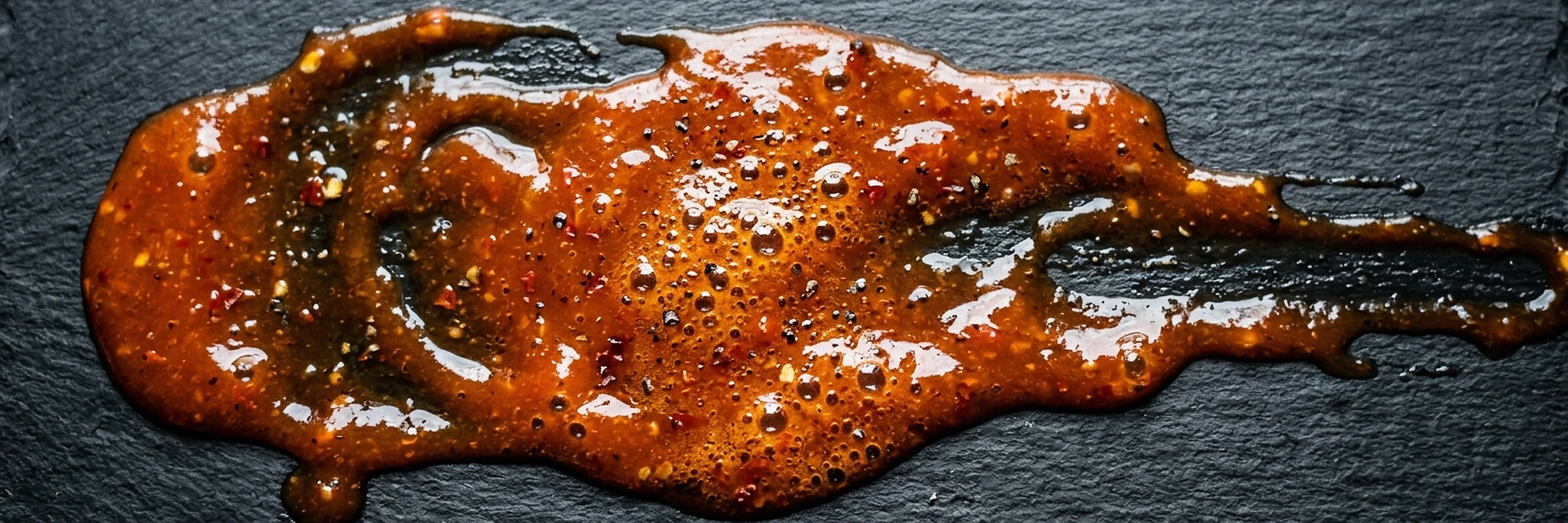
How do you make mango buffalo sauce?Blend 1/2 cup mango purée (from fresh, frozen, or canned mango) with 1/3 cup Frank's RedHot Original and reduce by one-third in a saucepan over medium heat to concentrate the flavor and remove excess moisture. Then add 2 tablespoons butter and whisk until emulsified. The reduction step is critical - raw mango purée added directly to buffalo sauce creates a watery, separated sauce. Reducing the mango-hot sauce blend first removes moisture, concentrates the fruit flavor, and creates a thicker base that emulsifies with butter properly. The result: sweet, tropical, tangy, and spicy - with the mango clearly present and the buffalo character preserved.
Why Mango and Cayenne Work Together
The mango-cayenne combination is firmly established in Caribbean, Mexican, and South Asian cuisines. This isn't a novel fusion gimmick - it's a proven flavor pairing based on chemistry:
- Mango's acids complement capsaicin: Ripe mango contains citric acid and malic acid, which are similar in character to the acetic acid in hot sauce. The fruit acids add brightness and tang that echoes the vinegar in buffalo sauce rather than fighting it.
- Mango's sweetness is fruity, not sugary: Unlike honey or corn syrup sweetness, mango's fructose is accompanied by volatile aromatic compounds (terpenes, esters) that give it a floral, tropical character. This complex sweetness doesn't dumb down the buffalo sauce - it adds a tropical dimension.
- Mango and habanero are classic tropical partners: Many mango hot sauces (like Melinda's Mango Hot Sauce) combine mango with habanero specifically because the habanero's fruity, floral heat is chemically similar to mango's tropical character. Adding mango to buffalo sauce that uses cayenne creates a similar harmony.
Fresh vs. Frozen vs. Purée: What to Use
Mango Format Comparison for Buffalo Sauce
| Format | Flavor | Convenience | Best For |
|---|---|---|---|
| Fresh ripe mango, blended | Best - complex, aromatic | Low (prep required) | Special occasions, peak season |
| Best: Frozen mango, thawed and blended | Very good - consistent | Medium | Everyday use, year-round |
| Store-bought mango purée | Good - consistent, sometimes added sugar | High - ready to use | Convenience, high-volume recipes |
| Mango nectar (bottled) | Acceptable - thinner, more sugar | High | Last resort - dilute the sauce |
Frozen mango is the best everyday choice: it's available year-round, consistent in sweetness, relatively inexpensive, and produces excellent results once blended. Fresh mango is better during peak season (spring-summer) when the fruit is fully ripe and aromatic. Store-bought mango purée (Goya and Ceres are widely available brands) works well for volume cooking - check the label for added sugar, which can make the sauce too sweet.
Mango Buffalo Sauce Recipe
Ingredients
- 1/2 cup mango purée (blended from 1 cup fresh or frozen mango chunks)
- 1/3 cup Frank's RedHot Original hot sauce
- 1 tablespoon lime juice
- 2 tablespoons unsalted butter
- 1/4 teaspoon garlic powder
- 1/4 teaspoon smoked paprika (optional - adds depth)
- Pinch of cayenne pepper (optional - for extra heat)
- Salt to taste
Method
- Blend mango chunks until completely smooth. Measure out 1/2 cup purée.
- In a small saucepan, combine mango purée, Frank's RedHot, and lime juice. Stir together.
- Heat over medium heat, stirring frequently, until the mixture comes to a gentle simmer and reduces by approximately one-third - about 8-10 minutes. The sauce should be visibly thicker and more concentrated.
- Reduce heat to low. Add garlic powder, smoked paprika if using, and cayenne if you want extra heat.
- Add butter and whisk continuously until melted and sauce emulsifies - 2-3 minutes. The sauce should be smooth, glossy, and have the consistency of a loose tomato sauce.
- Taste and adjust: more lime juice for brightness, more Frank's for tang, salt to taste.
- Use immediately, or cool and refrigerate in a sealed jar up to 1 week.
Tips
- The reduction step (step 3) is the most important and most commonly skipped. Mango purée contains a lot of water - without reducing, the sauce is thin and watery and the butter won't emulsify properly. Take the time to reduce.
- For a smoother, more refined texture: strain the finished sauce through a fine-mesh strainer after emulsifying. This removes any remaining mango fiber and produces a silkier sauce.
- Mango buffalo sauce works particularly well paired with habanero heat - try substituting 1 tablespoon of El Yucateco Habanero sauce for 1 tablespoon of Frank's in the recipe. The habanero's fruity heat complements the mango's tropical character.
Heat and Sweetness Balance
The main calibration challenge with mango buffalo sauce is keeping the heat present without being overwhelmed by sweetness, and keeping the fruit flavor forward without losing the buffalo character:
- If too sweet: Add more Frank's RedHot (increases tang and heat to balance sweetness), add more lime juice (acid cuts sweetness), or add a small amount of apple cider vinegar.
- If the mango is barely detectable: The mango was either under-ripe (less aromatic) or the reduction went too far. Try increasing the mango purée to 3/4 cup and reducing less aggressively.
- If the buffalo character is lost: The Frank's proportion is too low. Maintain at minimum a 1:1 ratio of hot sauce to mango purée by volume.
- If too thin: Return to the saucepan and reduce further before adding butter.
The Mango-Habanero Variation
The natural extension of mango buffalo sauce: add habanero heat. Mango and habanero are one of the best-established tropical chili pairings in the world - the habanero's fruity, floral heat is chemically similar to mango's aroma compounds, creating synergy rather than competition. Replace up to 1/3 of the Frank's RedHot with habanero hot sauce (El Yucateco Red Habanero works well) for a mango-habanero buffalo sauce with significantly more heat and tropical complexity. Start with small additions - habanero is much hotter than cayenne. See habanero buffalo sauce for heat management guidance.