Quick Answer
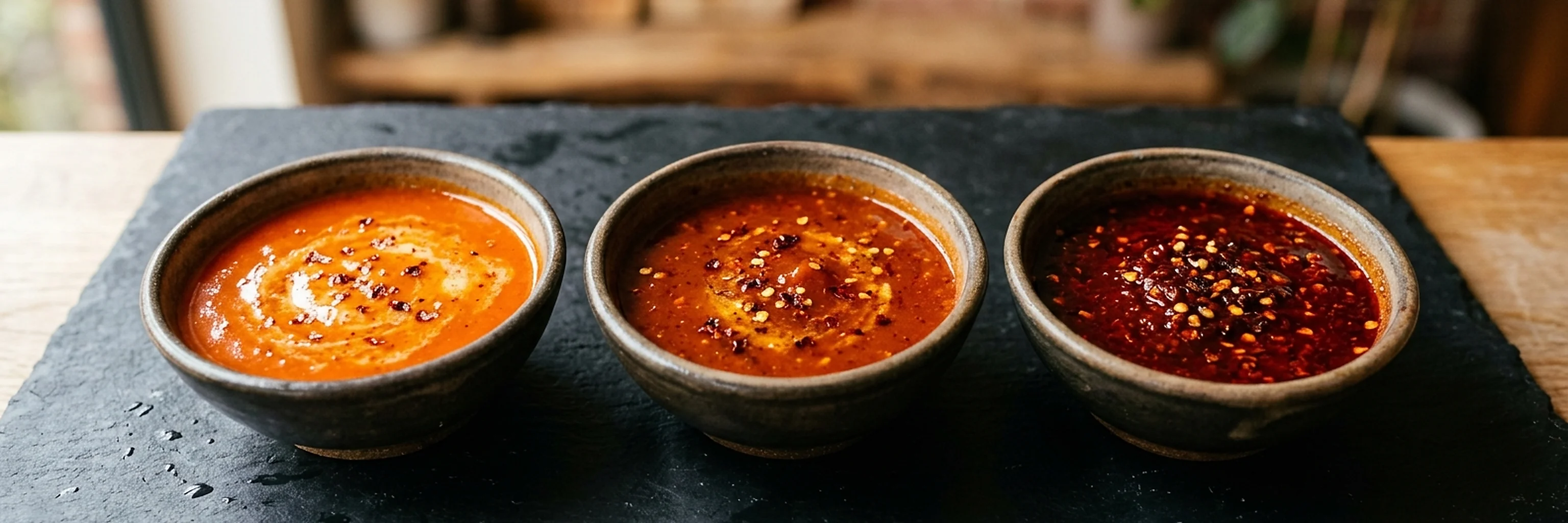
Can you make buffalo sauce with cayenne powder instead of hot sauce?Yes - cayenne powder dissolved in vinegar is the oldest form of hot sauce and produces excellent buffalo sauce. The key is getting the ratio right: mix 2 tablespoons cayenne powder into 1 cup distilled white vinegar with 1 teaspoon salt and 1/2 teaspoon garlic powder to create a hot sauce base, then emulsify 1/2 cup of that base with 4 tablespoons butter. The result tastes slightly different from Frank's-based buffalo sauce - sharper, with less of the funky aged-cayenne character - but it's genuinely good and uses only pantry staples. Heat level is higher (closer to medium-hot) unless you reduce the cayenne amount.
How Cayenne Powder Buffalo Sauce Differs from Frank's-Based Sauce
Frank's RedHot (and most commercial Louisiana-style hot sauces) are made from aged cayenne peppers - whole peppers that have been fermented or cured before processing. The aging process creates flavor compounds that don't exist in fresh or dried cayenne powder: a slight funkiness, additional complexity, and a softer heat that feels different from fresh capsaicin.
Cayenne powder is simply dried, ground cayenne peppers - without the aging. The flavor differences compared to Frank's-based buffalo sauce:
- More straightforward heat: Cayenne powder delivers clean, direct heat without the aged complexity. The capsaicin is more upfront and less rounded.
- Sharper, less funky: The fermented/aged character of Frank's is absent. The sauce tastes cleaner and more direct - some people prefer this, others miss the complexity.
- More variable heat level: Commercial hot sauces have standardized heat levels. Cayenne powder varies by brand and age - older powder loses potency, fresher powder delivers more heat. The recipe needs tasting and adjustment.
- No emulsification assist from hot sauce: Commercial hot sauce contains xanthan gum and other stabilizers that help the sauce emulsify. Cayenne powder dissolved in vinegar provides no such assist - technique becomes more important.
Despite these differences, cayenne powder buffalo sauce is satisfying and legitimate. Many home cooks prefer it for its clean, adjustable flavor and because it requires no special ingredients. For more on the base hot sauce options, see the buffalo sauce without Frank's guide.
The Cayenne Powder Buffalo Sauce Recipe
Ingredients
- For the hot sauce base:
- 1 cup distilled white vinegar
- 2 tablespoons cayenne powder (see notes on heat adjustment)
- 1 teaspoon kosher salt
- 1/2 teaspoon garlic powder
- 1/4 teaspoon onion powder (optional)
- For the buffalo sauce:
- 1/2 cup hot sauce base (above)
- 4 tablespoons (1/2 stick) unsalted butter, cold
- 1/2 teaspoon Worcestershire sauce (optional)
Method
- Make the hot sauce base: Combine vinegar, cayenne powder, salt, garlic powder, and onion powder in a small saucepan. Whisk to combine - the cayenne won't fully dissolve but will distribute evenly.
- Bring to a gentle simmer over medium heat, stirring occasionally. Reduce to low and simmer 5 minutes. Remove from heat and cool completely. Strain through a fine mesh strainer if you want a smoother sauce (optional - straining removes some heat too).
- Taste the base and adjust: it should be sharp, spicy, salty, and vinegary. This is your hot sauce replacement. Store leftovers in the refrigerator.
- Make the buffalo sauce: Heat a small saucepan over low heat. Add 1/2 cup of the hot sauce base. Warm until steaming but not simmering.
- Cut cold butter into 4-6 pieces. Add one piece at a time, whisking constantly and waiting for each piece to fully incorporate before adding the next.
- Once all butter is incorporated, the sauce should look glossy and cohesive. Remove from heat immediately.
- Add Worcestershire sauce if using. Taste and adjust - add more base for heat/tang, or another 1/2 tablespoon butter for richness.
- Use immediately, or cool and refrigerate. Re-warm over very low heat, whisking to re-emulsify.
Tips
- Heat adjustment: 2 tablespoons cayenne powder per cup vinegar produces medium-hot sauce (hotter than Frank's). Reduce to 1 tablespoon for mild; increase to 3 tablespoons for very hot.
- Better flavor with resting: The hot sauce base improves significantly after resting overnight in the refrigerator - the flavors meld and the sharpness softens slightly.
- The hot sauce base recipe produces about 3/4 cup after simmering (some evaporation). Scale up if you want leftovers.
Getting the Cayenne-to-Vinegar Ratio Right
The ratio of cayenne powder to vinegar is the most important variable in the hot sauce base. Cayenne powder has roughly 30,000-50,000 SHU before dilution - significantly hotter than Frank's (450 SHU). You're creating a diluted version for use in the same quantity as commercial hot sauce.
Cayenne Powder to Vinegar Ratios
| Cayenne Amount (per cup vinegar) | Approximate Heat | Flavor Character | Compared to Frank's |
|---|---|---|---|
| 1 tablespoon | Mild | Tangy, lightly spicy, clean | Milder than Frank's |
| Best: 1.5 tablespoons | Mild-medium | Balanced heat and tang | Similar heat to Frank's |
| 2 tablespoons | Medium | Prominent heat, full flavor | Hotter than Frank's |
| 3 tablespoons | Medium-hot | Strong heat, sharp | Significantly hotter |
| 4+ tablespoons | Hot | Very spicy, intense | Much hotter - use less in buffalo sauce |
For the most accurate comparison to Frank's flavor profile: start with 1.5 tablespoons cayenne powder per cup vinegar, taste the finished hot sauce base, and adjust before making the buffalo sauce. The simmer process mellows the heat slightly - the finished base will be slightly less intense than raw cayenne-vinegar mixture.
Cayenne Powders Compared
Not all cayenne powder is equal. The heat level, freshness, and grinding fineness affect the finished sauce significantly.
Cayenne Powder Options
| Product | Heat Level (SHU) | Freshness Notes | Best For |
|---|---|---|---|
| Best: Standard grocery store cayenne | 30,000-40,000 | Variable - check purchase date | Everyday sauce, reliable |
| McCormick Cayenne Pepper | 30,000 | Consistent, widely available | Reliable everyday choice |
| Fresh-ground from whole dried chilies | 40,000-50,000 | Maximum freshness, variable | Best flavor, requires mill/blender |
| Bulk/specialty cayenne (e.g., Spice House) | 40,000-50,000 | Often fresher than grocery store | Better flavor depth |
| Korean gochugaru (substitute) | 4,000-8,000 | Fruity, less sharp | Milder variation, different flavor |
Cayenne powder loses potency over time. If your cayenne powder smells musty or faint rather than sharp and peppery, it's past its prime. Fresh cayenne smells intensely spicy when you open the container - it should almost make you cough. Old cayenne smells faint and dusty. Old powder requires more volume to achieve the same heat, which can produce a grainy texture and stale flavor. Replace cayenne powder every 1-2 years for best results in buffalo sauce applications.
Straining vs. Not Straining
The cayenne powder in the hot sauce base doesn't fully dissolve - fine cayenne particles remain suspended in the vinegar. Not straining the base produces a sauce with very fine texture (barely perceptible when emulsified with butter). Straining through a fine mesh strainer produces a cleaner, smoother sauce with slightly less heat (some capsaicin is on the strained particles). For buffalo wings or dipping: unfiltered is fine. For a very refined sauce or for coating where smooth texture matters most: strain. The strained-out cayenne residue can be dried and used as a chili flake substitute.
Scaling Up: Making Cayenne Powder Hot Sauce in Bulk
The hot sauce base stores well in the refrigerator for up to 2 weeks, making it practical to make a large batch and draw from it as needed. The full batch math for a quart of hot sauce base:
- 4 cups (1 quart) distilled white vinegar
- 6 tablespoons cayenne powder (for standard heat)
- 4 teaspoons kosher salt
- 2 teaspoons garlic powder
Simmer 8-10 minutes (longer simmer for larger volume), cool completely, and store in a glass jar. Each time you make buffalo sauce, scoop 1/2 cup from the jar and emulsify with 4 tablespoons butter. This makes approximately 8 batches of buffalo sauce from a single hot sauce base session, which is practical for anyone who makes buffalo sauce frequently.
For more methods of making buffalo sauce from basic ingredients, see the complete buffalo sauce from scratch guide, which also covers fermenting fresh cayenne peppers to approximate the aged-cayenne character of Frank's.