Quick Answer
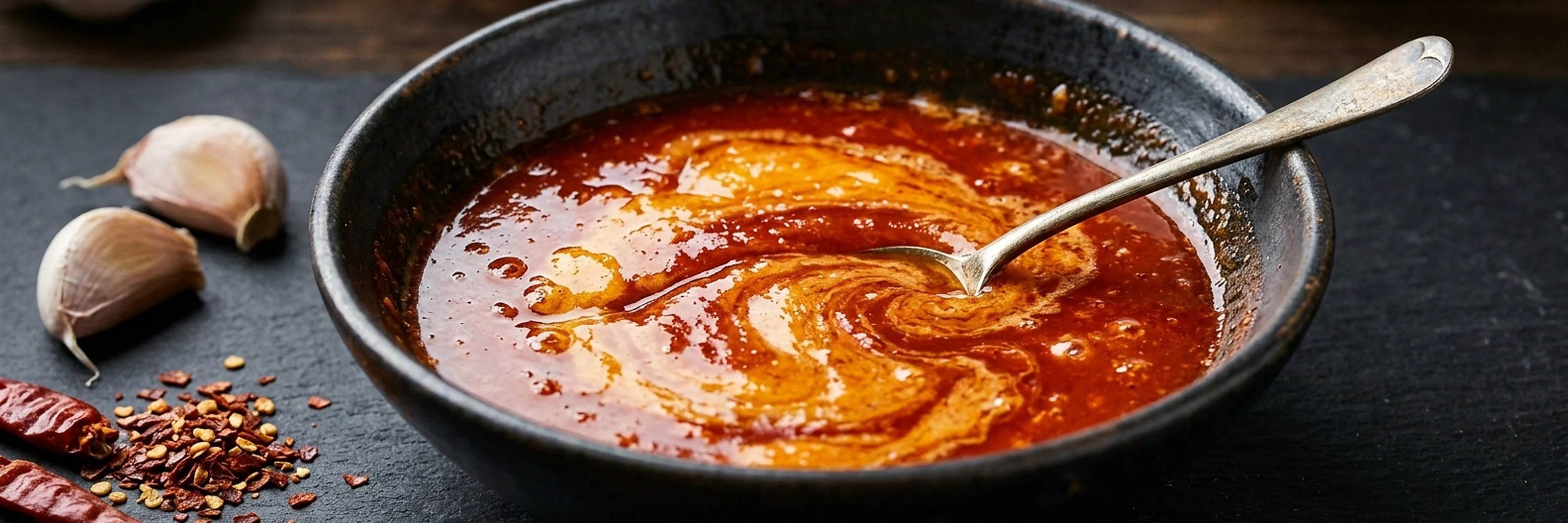
How do you make extra hot buffalo sauce?Add heat incrementally using a combination of hotter base hot sauce (like Frank's Xtra Hot or a cayenne-based Louisiana hot sauce at higher Scoville), cayenne pepper powder added directly to the butter, and optionally a small amount of habanero or ghost pepper hot sauce for high-end heat. The key is building heat from multiple sources - capsaicin from different pepper varieties creates a more complex, layered burn than just adding more of the same hot sauce. Keep the butter ratio consistent (don't add more hot sauce at the expense of butter) or you'll get a sharp, thin sauce rather than a genuinely hot, full-bodied one.
Understanding the Heat Spectrum
Standard buffalo sauce (Frank's RedHot + butter) sits at approximately 450-500 Scoville Heat Units (SHU) in the finished sauce - relatively mild. For context:
- Mild jalapeño: 2,500-8,000 SHU
- Standard buffalo sauce: 450-500 SHU (finished, with butter diluting heat)
- Cayenne pepper: 30,000-50,000 SHU
- Habanero: 100,000-350,000 SHU
- Ghost pepper (bhut jolokia): ~1,000,000 SHU
- Carolina Reaper: 1,400,000-2,200,000 SHU
Buffalo sauce is calibrated to be approachable. A genuinely "extra hot" buffalo sauce targets 2,000-5,000 SHU in the finished sauce - roughly 4-10× standard - which is still well below jalapeño territory but perceptibly, sustainably hot in a way that challenges most people. See the full buffalo sauce Scoville guide for complete heat data across all major brands.
Methods for Adding Heat
Heat Addition Methods for Buffalo Sauce
| Method | Heat Level Boost | Flavor Impact | Emulsion Risk |
|---|---|---|---|
| Frank's Xtra Hot (swap base) | +2x vs. standard | Similar profile, more heat | None |
| Cayenne powder in butter | +3-5x depending on amount | Smoky, direct | Low |
| Best: Habanero hot sauce (small amount) | +5-10x | Fruity, sweet-hot | Low |
| Ghost pepper hot sauce (drops) | +15-20x | Earthy, intense | Low if small |
| Pure capsaicin extract | +100x+ | No flavor - pure heat | High - dissolve in oil first |
| Dried chili flakes in sauce | +1-2x | Textural, mild heat | None |
The most practical approach for extra-hot buffalo sauce is a combination: start with Frank's Xtra Hot (or similar cayenne-forward hot sauce with higher heat) as the base, and add 1/4 to 1/2 teaspoon of cayenne powder directly to the butter during the cooking phase. The cayenne blooms in the butter fat, creating a smoky, direct heat that complements the hot sauce's vinegar-forward heat.
For serious heat: add a small amount (1-2 teaspoons) of habanero hot sauce alongside the cayenne base. The habanero buffalo sauce guide covers working with habanero specifically. The fruity, tropical notes of habanero create a more complex heat than just more cayenne - it burns differently and builds gradually.
Ingredients
- 1/2 cup Frank's Xtra Hot Cayenne Pepper Sauce (or substitute: 1/2 cup Frank's RedHot + 1 tablespoon extra cayenne)
- 3 tablespoons unsalted butter
- 1/2 teaspoon cayenne pepper powder
- 1/4 teaspoon smoked paprika
- 1/4 teaspoon garlic powder
- For serious heat - add ONE of:
- 1 tablespoon habanero hot sauce (fruity, high heat)
- 1 teaspoon ghost pepper hot sauce (earthy, extreme heat)
- 3-4 drops pure capsaicin extract (pure heat, no flavor)
Method
- In a small saucepan over medium-low heat, melt butter. Add cayenne pepper powder and smoked paprika directly to the melting butter. Stir and cook 60-90 seconds - this blooms the spices in fat, extracting capsaicin and amplifying heat.
- Add Frank's Xtra Hot and stir to combine with spiced butter.
- If adding habanero or ghost pepper hot sauce: add now. If adding capsaicin extract: add after removing from heat (see tip below).
- Add garlic powder. Bring to a gentle simmer and cook 3-4 minutes, stirring frequently.
- Taste and assess heat level. It will be hotter on the tongue than it appears - the butter moderates the initial hit but the heat builds over 30-60 seconds. Give it a moment before deciding it needs more.
- Use immediately or refrigerate in a sealed jar up to 1 week. Heat level intensifies slightly upon refrigeration and reheating.
Tips
- If using pure capsaicin extract: add it after removing the sauce from heat and allow it to cool slightly first. Capsaicin extract can be volatile at high temperatures - adding it to hot sauce on the stove creates vapor that will irritate your eyes and airways. Stir it in off-heat with ventilation.
- The butter ratio matters more with extra-hot sauce than standard. Don't reduce the butter thinking you'll get more heat - the butter's fat is what carries the capsaicin to your taste receptors and distributes the heat evenly. Thin, low-butter extra-hot sauce just tastes sharp and vinegary rather than genuinely hot.
- For parties: serve extra-hot alongside standard. Label clearly. People who can't handle it will thank you; people who can will appreciate the genuine heat.
Capsaicin Accumulates
When making extra-hot buffalo sauce, capsaicin deposits build up on your cookware and utensils. Wash everything thoroughly with soap (not just water - capsaicin is oil-soluble and water alone won't remove it). If you touch the sauce during preparation, wash your hands with soap before touching your face, eyes, or contact lenses. Wear latex gloves if working with ghost pepper or Carolina Reaper level heat sources. The capsaicin vapor from boiling very-high-heat sauces can also irritate your airway - work with ventilation (range hood or open window).
Achieving Heat Without Bitterness or Harsh Acidity
The most common mistake with extra-hot buffalo sauce is compensating for desired heat by adding more hot sauce at the expense of butter. More hot sauce = more vinegar = sharper, harsher sauce. True heat comes from capsaicin concentration, not from acid volume.
Practical technique for extra heat without harsh acid:
- Keep the hot sauce to butter ratio similar to standard buffalo sauce (approximately 2:1 hot sauce to butter by volume)
- Add capsaicin through dry spices (cayenne powder bloomed in butter) rather than additional liquid hot sauce
- Use a higher-SHU hot sauce as the base rather than increasing the volume of a standard hot sauce
- If using habanero or ghost pepper sauce: add in small amounts (1-2 teaspoons maximum) blended with the base hot sauce, not as the primary hot sauce
The capsaicin science guide explains why fat-dissolved capsaicin creates a different (better) heat experience than acid-dissolved heat - the distinction matters when building genuinely hot buffalo sauce.