Quick Answer
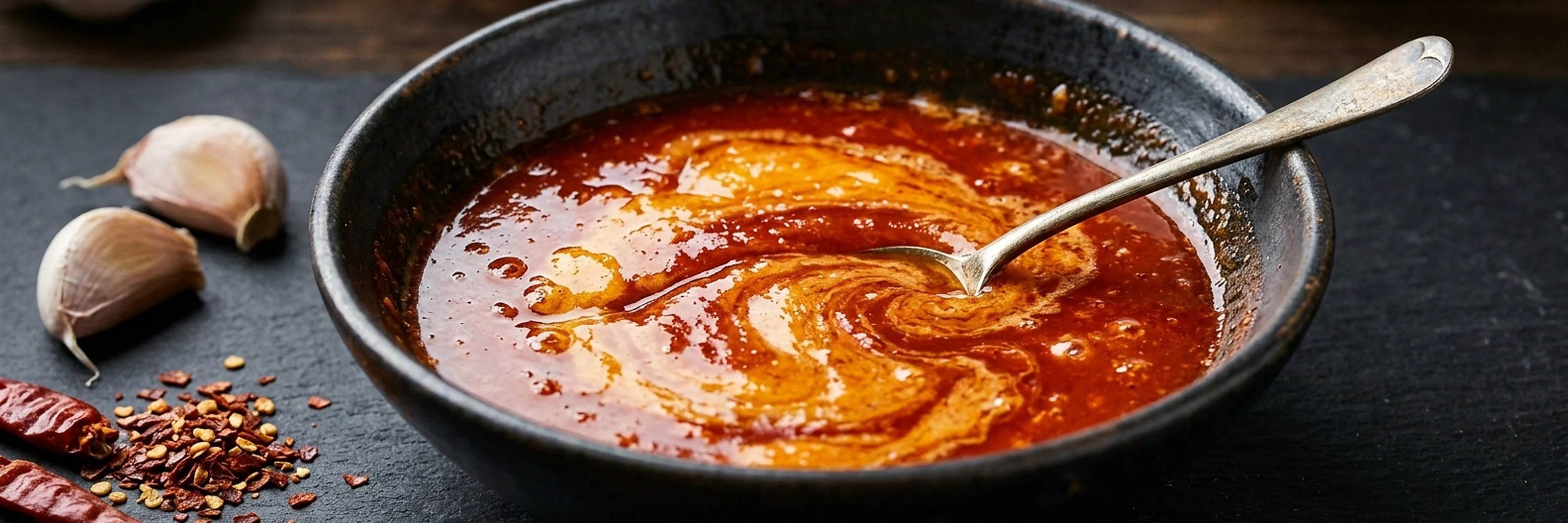
How do you make maple buffalo sauce?The formula: standard buffalo sauce (Frank's RedHot + butter) with 1-2 tablespoons of pure maple syrup (dark grade) added per cup of sauce. Maple syrup contributes a complex, slightly caramelized sweetness that pairs better with the fermented depth of aged cayenne than honey does. The natural complexity of maple's flavor (vanillin, furaneol, and other flavor compounds) aligns more naturally with the complexity of hot sauce than honey's simpler sweetness. Best ratio: 2 tablespoons maple syrup per cup of buffalo sauce for mild sweetness; 3 tablespoons for noticeably sweet.
Why Maple Syrup Works Better Than Honey in Buffalo Sauce
Both maple syrup and honey add sweetness to buffalo sauce - but maple syrup's flavor chemistry is more complex and pairs more naturally with fermented hot sauce:
- Flavor complexity: Maple syrup contains over 300 identified flavor compounds including vanillin (vanilla-like), sotolon (fenugreek-like), furaneol (caramel-like), and various phenolic compounds. Together these create a deep, complex sweetness with caramel-coffee undertones. Honey's flavor is mostly fructose and glucose with floral notes - sweeter and simpler.
- Acid affinity: Maple syrup's phenolic compounds interact well with acetic acid (vinegar) in hot sauce, creating a balanced sweet-sour combination. Honey in vinegar-based sauces can taste cloying - the sweetness fights the acid rather than complementing it.
- Temperature stability: Maple syrup's sugars caramelize at slightly higher temperatures than honey, making it slightly more grill-and-oven stable without burning as quickly.
- Emulsification assistance: Maple syrup contains trace sugars and compounds that act as mild emulsifiers, which helps stabilize the buffalo sauce emulsion slightly better than honey does.
Which Grade of Maple Syrup to Use
Maple Syrup Grades for Buffalo Sauce
| Grade | Flavor | Color | Best For Buffalo Sauce |
|---|---|---|---|
| Grade A Light (Golden, Delicate) | Mild, subtle maple | Light golden | No - too subtle, gets lost |
| Grade A Medium (Amber, Rich) | Classic maple, balanced | Medium amber | Good - all-purpose choice |
| Best: Grade A Dark (Dark, Robust) | Strong maple, caramel notes | Dark amber | Best - complex enough to stand up to buffalo |
| Grade B / Processing Grade | Very strong, molasses notes | Very dark | Too intense for most applications |
Dark Grade A (previously labeled Grade B in older labeling systems) is the right choice for buffalo sauce. Its robust, slightly smoky maple character has enough presence to be tasted through the bold hot sauce and vinegar - lighter grades disappear entirely. Look for "dark" or "robust" on the label.
Ingredients
- 4 tablespoons unsalted butter
- 1/2 cup Frank's RedHot Original
- 2 tablespoons pure dark maple syrup (Grade A Dark/Robust)
- 1 teaspoon apple cider vinegar (optional, for brightness)
- 1/2 teaspoon garlic powder
- 1/4 teaspoon smoked paprika
- Pinch of salt
Method
- Melt butter in a small saucepan over low heat.
- Add hot sauce, maple syrup, garlic powder, smoked paprika, and salt.
- Whisk together over low heat until fully combined and smooth.
- Simmer gently for 2-3 minutes, stirring, until slightly thickened.
- If using apple cider vinegar: add off heat. Stir to incorporate.
- Taste. Adjust: more maple for sweetness, more hot sauce for heat and tang.
- Use immediately.
Tips
- Apple cider vinegar as an optional add-in brightens the flavor and emphasizes the apple notes that pair well with maple. Add after removing from heat so the ACV's volatile aromatics aren't cooked off.
- For glazing: this sauce caramelizes beautifully in the last few minutes of baking or grilling. Apply in the final 5 minutes of cooking, not at the start.
- For a smoke-maple variation: add 1/2 teaspoon chipotle powder. The smoke + maple + heat combination is excellent on grilled chicken or pulled pork.
Best Applications for Maple Buffalo Sauce
Where maple buffalo sauce excels over classic:
- Breakfast applications: Maple buffalo sauce on chicken and waffles, biscuits and chicken, or breakfast sandwiches - the maple element reads as appropriate for morning food.
- Glazing: The maple sugar content caramelizes into a thick, sticky glaze on roasted or grilled chicken. Applied to oven-baked wings in the last 10 minutes, it creates a lacquered surface.
- Cold weather applications: Maple buffalo sauce on roasted root vegetables, butternut squash, or Brussels sprouts - the maple sweetness complements autumn vegetables in a way plain buffalo doesn't.
- Dipping sauce for things beyond wings: Maple buffalo dip for sweet potato fries, soft pretzels, or cornbread - the maple element bridges the flavor gap between sweet and spicy.
Maple Buffalo Chicken and Waffles
The ultimate application for maple buffalo sauce: chicken and waffles. Fry a chicken breast or thigh using the standard recipe, toss in maple buffalo sauce instead of classic, and serve over a waffle with a small drizzle of additional pure maple syrup. The combination is intentionally sweet-hot - the maple in the sauce bridges the waffle and the chicken instead of having the sweet waffle fight the spicy sauce. The smoked paprika in the formula adds a faint smokiness that elevates the whole dish.