Quick Answer
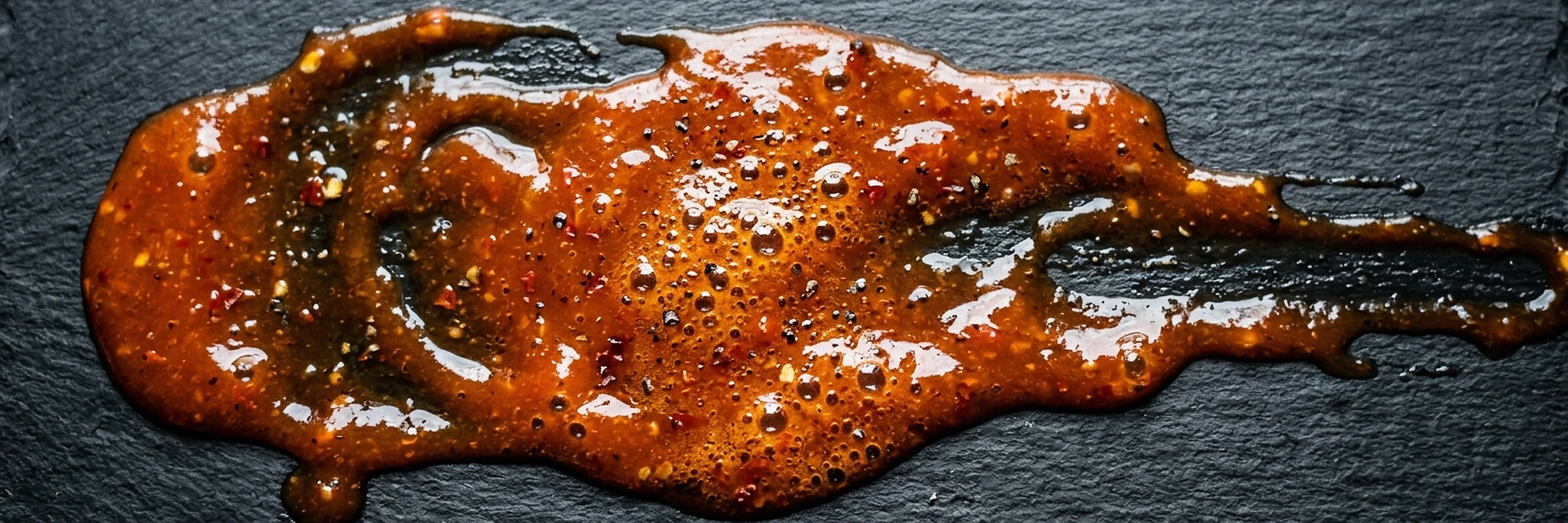
Why has my buffalo sauce turned brown?Buffalo sauce darkens from bright orange-red to brown for three reasons: oxidation (exposure to air and oxygen over time, especially in opened bottles), Maillard reactions (caramelization from being cooked at high heat - typically happens when wings are baked or when sauce is overheated during preparation), or age and light exposure (months-old sauce in a clear container loses color from UV degradation of carotenoid pigments). Brown buffalo sauce is usually safe if it smells normal - color change alone doesn't indicate spoilage. However, brown sauce from overheating may taste bitter or harsh. If the sauce is brown AND smells off: discard.
What Normal Buffalo Sauce Color Looks Like
Fresh buffalo sauce has a characteristic bright orange-red color derived from cayenne pepper carotenoids - primarily capsanthin and capsorubin, the same pigments that give paprika and red peppers their color. Properly made sauce with Frank's RedHot and butter is vivid orange-red when freshly made.
The exact shade varies with the hot sauce used: Frank's Original is bright orange-red; Crystal is deeper red; Tabasco is darker red-brown even when fresh. Commercial wing sauces may appear slightly darker due to Worcestershire sauce, Worcestershire-adjacent additives, or paprika additions in the formulation.
Why Buffalo Sauce Darkens Over Time or With Heat
Cause 1: Oxidation
Carotenoid pigments (the compounds responsible for the orange-red color) degrade through oxidation - exposure to oxygen causes the pigment molecules to break down into colorless compounds. This is the same process that turns cut apples brown, makes red spices fade, and darkens most brightly-colored foods over time.
For buffalo sauce: once a bottle is opened and air enters, oxidation begins. The color change is gradual - from vivid orange-red to dull orange, then amber, then brownish. This process takes weeks to months at refrigerator temperatures.
Oxidation doesn't make the sauce unsafe. The same sauce that was bright orange 3 months ago and is now amber-brown is still edible if it smells and tastes normal. The color change is aesthetic, not a safety indicator.
Cause 2: Maillard Reactions and Caramelization
When hot sauce or buffalo sauce is heated to high temperatures - above 250°F (121°C) - the sugars present in the hot sauce (from peppers and vinegar fermentation) undergo Maillard reactions and caramelization. These reactions produce brown pigments (melanoidins) and new flavor compounds.
This is why sauce that gets scorched or reduced too aggressively turns from orange-red to dark brown. The brown color in this case comes with flavor changes - the caramelized sauce will taste sweeter, more complex, and potentially bitter if taken too far (see the buffalo sauce bitterness guide).
Wings baked in the oven with buffalo sauce applied before cooking will often show browning around the sauce from the oven heat (425°F+). This is expected and not a problem - the oven-caramelized glaze on wings is often intentional and desirable.
Cause 3: Age and Light Exposure
UV light degrades carotenoids faster than darkness does. Hot sauce or buffalo sauce stored in a clear container in bright conditions (on a sunny countertop, near a kitchen window) will lose its color faster than sauce stored in an opaque container or in a dark refrigerator.
Frank's RedHot uses clear glass bottles - the sauce in a bottle on a bright restaurant counter will visibly darken over weeks compared to a bottle stored in a dark storage area. This is why the recommended storage after opening is the refrigerator (dark, cold, limited oxygen exposure).
Buffalo Sauce Color Change Guide
| Color Appearance | Likely Cause | Safe to Eat? | Action |
|---|---|---|---|
| Best: Bright orange-red | Fresh sauce - normal | Yes | Use as-is |
| Dull orange or amber | Oxidation over weeks-months | Yes if smells normal | Smell and taste test |
| Dark amber-brown | Extended oxidation or age | Likely yes - smell first | Smell test; replace if off flavor |
| Brown with bitter flavor | Overheating / Maillard reactions | Yes but flavor affected | Use for cooking; make fresh for wings |
| Brown with off smell | Rancidity / spoilage | Discard | Do not consume |
| Dark with surface mold | Contamination | Discard | Do not consume |
Is Brown Buffalo Sauce Safe to Eat?
Color change alone does not indicate spoilage. Buffalo sauce that has turned brown from oxidation is safe to eat if it passes the smell and taste test. The carotenoid degradation that causes color change doesn't produce any harmful compounds.
The nuance: brown sauce from overheating may have developed bitter compounds from Maillard reactions. This is a flavor quality issue, not a safety issue - the sauce won't make you sick, but it may not taste like you want it to.
Brown sauce combined with off smell (rancid fat character, mustiness, or any unusual odor that doesn't match the normal vinegar-pepper profile): discard. The color change and smell change together suggest actual degradation beyond just aesthetic oxidation.
Preventing Color Change
To maintain the bright orange-red color of buffalo sauce longer:
- Store in the refrigerator: Cold temperature slows oxidation dramatically. Refrigerator-stored opened sauce retains color 3-4x longer than room-temperature storage.
- Use opaque or dark-tinted containers: Transfer commercially bottled sauce to dark glass bottles if storing long-term. Or store in the back of the refrigerator away from light.
- Minimize air exposure: Use squeeze bottles instead of wide-mouth containers to reduce oxygen contact with the sauce surface. Press plastic wrap directly onto the surface of stored sauce.
- Don't overheat during preparation: Keep sauce below 185°F during emulsification to prevent Maillard browning. Add butter off direct heat.
Fresh Color vs. Aged Color in Practice
For home use, color change in buffalo sauce is almost never worth worrying about. The sauce turns brown over months, not days, and the flavor difference is minor compared to the actual freshness window for homemade sauce (5-7 days for butter-emulsified) or commercial sauce (4-6 months after opening). In restaurant settings or commercial production, maintaining consistent color matters for product appearance - that's why commercial sauces use pH stabilizers and vitamin C (ascorbic acid) as antioxidants to slow color degradation. At home, just make small batches and use them while fresh.