Quick Answer
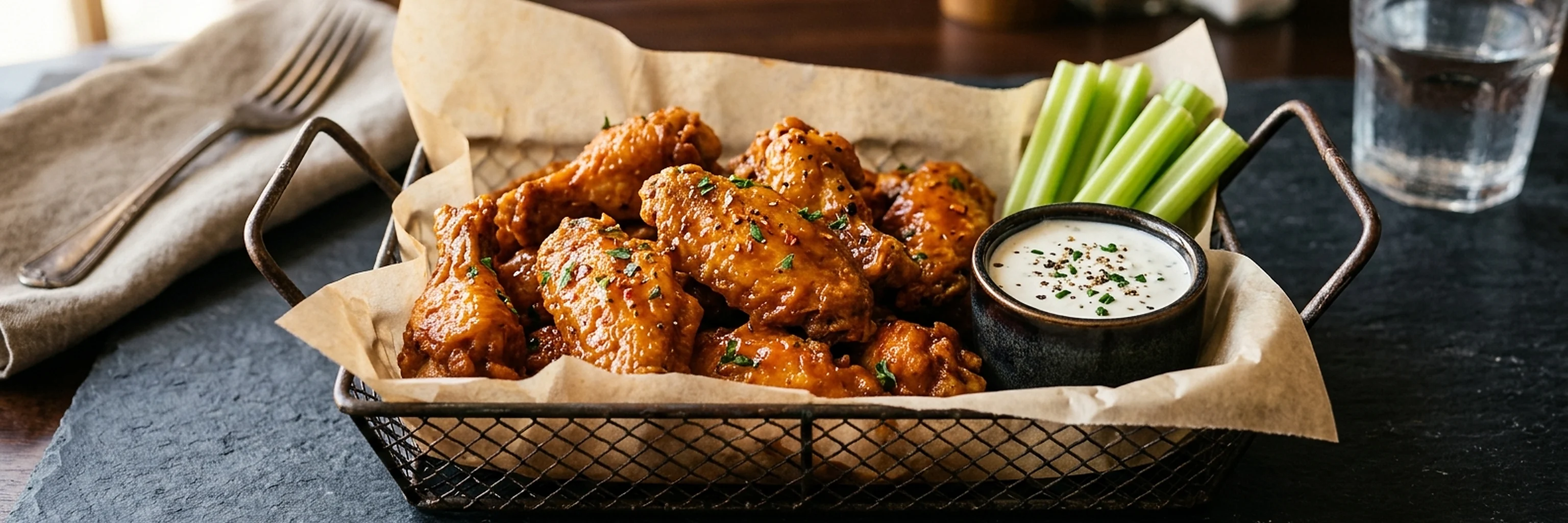
How do you grill buffalo chicken without burning the sauce?The core principle: cook the chicken first, sauce at the end. Grill the chicken over direct heat until nearly done (165°F internal for breasts, 175°F for thighs and wings). Move to indirect heat, brush with buffalo sauce, close the lid for 2-3 minutes. The sauce glazes onto the hot chicken without extended direct flame exposure, which causes the sugars and butter to burn. A second glaze after pulling from the grill adds fresh sauce without any char. This two-stage method prevents burning while creating a proper glaze.
Why Grilling Buffalo Chicken Is Different
Grilling buffalo chicken isn't the same as tossing wings in sauce after baking. The open flame introduces variables that don't exist in an oven or air fryer:
- Flare-ups: Buffalo sauce contains butter fat. Fat dripping onto flames causes flare-ups - sudden high-heat bursts that char the outside while leaving the inside undercooked.
- Sauce burn: The sugars in commercial buffalo sauces (and honey in sweet variations) caramelize rapidly over direct flame, producing bitter, charred notes within seconds of prolonged flame exposure.
- Temperature differential: Wings and thighs need different internal temperatures (165°F for breasts, 175°F for wings and thighs). Grilling these simultaneously requires attention to placement and timing.
- Grill marks vs. overall doneness: External char from grill heat looks done before the interior actually is, especially on thick pieces. Always use a thermometer.
The Two-Stage Saucing Method
Stage 1 - Grill unsauced: Season the chicken with salt, pepper, and optional dry rub. Grill over direct medium-high heat (400-450°F) until the chicken reaches 155°F internal for breasts, 165°F for wings and thighs. The chicken should have good grill marks and be mostly cooked through.
Stage 2 - Glaze on indirect heat: Move chicken to the indirect zone (the side of the grill with no burners lit, or pushed to the edge on charcoal). Brush generously with buffalo sauce. Close the grill lid. Cook 3-5 more minutes until internal temperature reaches 165°F (breasts) or 175°F (wings/thighs) and the sauce has set into a glaze.
Post-grill glaze: Immediately after pulling from the grill, brush or toss in additional fresh buffalo sauce. This layer is applied without heat - it provides the bright, sharp flavor that cooks off during grilling.
Why the Post-Grill Glaze Matters
Vinegar-based buffalo sauce is volatile - the acetic acid that gives it its sharp, tangy character evaporates during cooking. When you sauce at the end of grilling, you're cooking off the primary flavor compound. The post-grill fresh sauce glaze restores the bright, acidic note. Many wing restaurants use exactly this approach: pre-cook wings, final-glaze under a salamander broiler, then toss in fresh sauce before serving.
Ingredients
- 2 lbs chicken wings (drumettes and flats), or 4 bone-in chicken thighs
- Dry Seasoning:
- 1 teaspoon kosher salt
- 1/2 teaspoon black pepper
- 1/2 teaspoon garlic powder
- 1/2 teaspoon smoked paprika
- Buffalo Sauce:
- 1/2 cup Frank's RedHot Original
- 4 tablespoons unsalted butter, melted
- 1/2 teaspoon garlic powder
- Serving:
- Blue cheese or ranch dressing
- Celery sticks
Method
- Preheat grill to medium-high (400-450°F). Set up two zones: direct heat on one side, indirect (no heat) on the other.
- Pat chicken dry with paper towels. Moisture on the surface prevents good grill marks and causes steaming.
- Season chicken with salt, pepper, garlic powder, and smoked paprika. Toss to coat evenly.
- Make buffalo sauce: whisk melted butter into Frank's, add garlic powder. Keep warm.
- Grill chicken over direct heat. Wings: 5-6 minutes per side. Thighs (bone-in): 6-7 minutes per side. Don't move constantly - let contact time build grill marks.
- Check internal temperature. Wings should read 165°F, thighs 165°F before moving.
- Move chicken to indirect zone. Brush generously with buffalo sauce on all sides.
- Close lid. Cook 3-5 more minutes - wings to 175°F, thighs to 175°F for best texture.
- Remove from grill. Immediately brush or toss in additional fresh buffalo sauce.
- Serve with blue cheese dressing and celery.
Tips
- Dry wings thoroughly before grilling - moisture is the enemy of grill marks and crispy skin.
- Oil the grill grate just before adding chicken to prevent sticking.
- Don't sauce over direct flame - the butter in the sauce will drip and cause flare-ups.
Grilling Boneless Chicken Breasts and Thighs
For boneless cuts used in recipes like buffalo chicken sandwiches or wraps, the grilling technique adjusts:
Grilling Buffalo Chicken Cuts Comparison
| Cut | Grill Temp | Time Per Side | Internal Temp | Notes |
|---|---|---|---|---|
| Wings (drumette/flat) | 400-450°F | 5-6 min | 175°F | Two-stage method required |
| Best: Bone-in thighs | 375-400°F | 6-8 min | 175°F | Lower heat; bone insulates |
| Boneless thighs | 400°F | 5-6 min | 165°F | Forgives slight overcooking |
| Boneless breast | 375-400°F | 6-7 min | 165°F | Most prone to drying; pull at 160°F and rest |
Boneless thighs are the most forgiving cut for grilled buffalo chicken - the higher fat content means they stay moist even if slightly overcooked. Breasts require more attention to temperature; pulling them at 160°F (they carry over to 165°F during rest) prevents dryness.
Controlling Flare-Ups
Flare-ups happen when fat or sauce drips onto flames. Strategies to minimize them:
- Pat chicken dry before grilling: Dry surfaces render faster and drip less than wet surfaces.
- Trim excess skin and fat: Extra hanging skin or fat deposits are the primary flare-up sources on wings.
- Never sauce over direct flame: This is the most important rule. Sauce the chicken only over indirect heat or off the grill.
- Have a spray bottle of water: A few sprays directly on flames temporarily suppresses them without cooling the grates significantly.
- Keep the lid up when watching for flare-ups: Closing the lid smothers small flare-ups but can let larger ones build. When fat is actively dripping, leave the lid up and manage directly.