Quick Answer
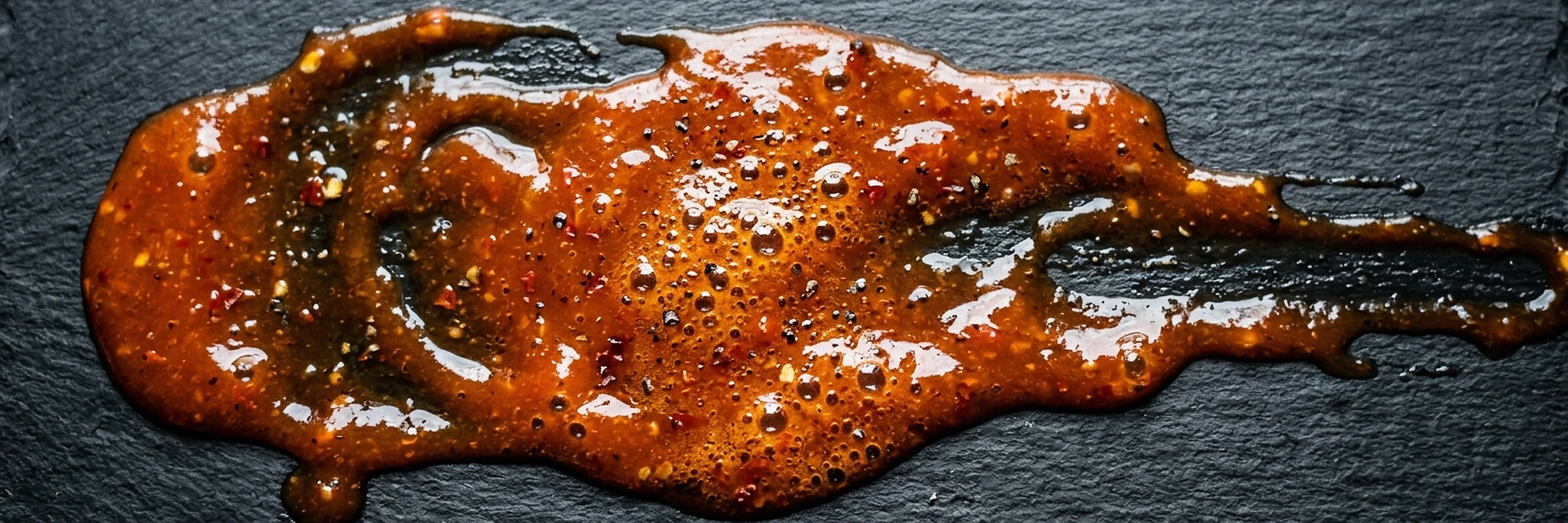
Can you put buffalo sauce on asparagus?Yes - roasted or grilled asparagus with buffalo sauce is an excellent spring side dish. The key: cook the asparagus until the tips are slightly crispy and caramelized (425°F oven for 12-15 minutes, or grill over high heat for 6-8 minutes), then drizzle with warm buffalo sauce while still hot. Don't sauce before cooking - the moisture prevents proper caramelization. Buffalo sauce's tangy heat complements asparagus's grassy, slightly bitter flavor better than many other sauces. The butter in the sauce adds richness that balances the vegetable's natural astringency.
Why Buffalo Sauce Suits Asparagus
Asparagus has a flavor profile that can stand up to assertive sauces. The vegetable contains:
- Natural bitterness: From compounds like asparagusic acid and saponins. This bitterness is reduced by cooking but remains as a background note. Buffalo sauce's acidity cuts through this bitterness effectively - similar to how lemon juice brightens steamed asparagus in classical preparations.
- Grassy, green character: The distinctive herbaceous quality of fresh asparagus. Cayenne heat highlights this green character rather than masking it, creating an interesting contrast between the vegetable's freshness and the sauce's boldness.
- Natural sweetness (when properly cooked): Well-roasted or grilled asparagus develops natural sugar caramelization at the tips and cut ends. This sweetness contrasts pleasantly with buffalo sauce's acidity.
The overall dynamic: bitter-sweet-grassy asparagus + tangy-spicy-buttery buffalo sauce = a sauce-vegetable interaction that's more interesting than plain butter and more exciting than most vegetable preparations.
Preparation Technique
For roasted buffalo asparagus:
- Snap or trim the woody ends (bend toward the base - it naturally snaps at the tender-tough junction, or cut approximately 1.5 inches from the bottom).
- Toss with a small amount of olive oil and a pinch of salt.
- Arrange on a sheet pan in a single layer - spears should not overlap. Parallel arrangement allows better airflow than a pile.
- Roast at 425°F for 12-15 minutes. Thin asparagus (pencil-thin): 10-12 minutes. Thick asparagus: 15-18 minutes. The tips should be slightly crispy and the spears should be tender but not limp.
- Transfer to a serving plate. Drizzle warm buffalo sauce over the spears. Toss gently or leave as a drizzle depending on presentation preference.
For grilled buffalo asparagus: grill directly over high heat for 6-8 minutes, rotating once. The direct flame char creates additional flavor. Sauce after grilling, not during.
Lemon Buffalo for Asparagus
Asparagus has a classical affinity for lemon. Using lime buffalo sauce or lemon buffalo sauce (standard buffalo sauce with a teaspoon of lemon zest and a squeeze of lemon juice added off-heat) is particularly good with asparagus - it hits both the vegetable's natural compatibility with citrus AND the exciting buffalo heat. The citrus note amplifies asparagus's grassy freshness while the buffalo sauce adds heat and tang. This variation works especially well as a spring appetizer or side dish when asparagus is in peak season.
How Much Buffalo Sauce to Use
Asparagus benefits from a lighter hand with buffalo sauce than heartier vegetables like cauliflower or Brussels sprouts:
- For a pound of asparagus: 1-2 tablespoons of buffalo sauce as a drizzle. The delicate flavor of asparagus can be overwhelmed by too much sauce.
- For a side dish presentation: drizzle sauce in a zigzag pattern over plated spears - this leaves some spears less coated, giving diners the option of more or less sauce intensity.
- For a bowl component (mixed with other ingredients): use the full standard amount (2-3 tablespoons per pound).
Serving Applications
Buffalo asparagus serves well as:
- Side dish: Alongside roasted chicken, salmon, or steak. The heat and tang balance rich proteins effectively.
- Grain bowl component: Buffalo asparagus alongside quinoa, roasted chickpeas, and a tahini drizzle - the different flavors (spicy, nutty, creamy) create a complex bowl.
- Appetizer: Served on a platter as finger food with blue cheese or ranch dip. Asparagus spears are naturally easy to pick up and eat, making them ideal for appetizer presentation. The buffalo sauce coating makes them look attractive and appetizing.
- Eggs: Buffalo asparagus alongside poached or fried eggs for brunch. The combination of egg yolk richness + buffalo spice + asparagus freshness is breakfast-appropriate and distinctive.