Quick Answer
Is dry rub or wet sauce better for wings?Neither is objectively better - they produce different results that suit different applications. Dry rub wings have a crispier skin (no moisture from sauce), more intense, concentrated spice character directly on the surface, and better texture for eating without dipping. Wet sauce wings (including buffalo) have a juicy, glistening coating, more complex and layered flavor from the emulsified sauce, and a saucier, messier eating experience that defines the wing-eating ritual. Most commercial wing establishments offer both. For home cooks: use dry rub when you want maximum crispiness and plan to serve without dipping sauce; use wet sauce when you want the full wing experience with the sauce-to-skin interaction.
How Dry Rub and Wet Sauce Work Differently
Dry rub and wet sauce affect the chicken wing in fundamentally different ways:
Dry rub:
- Applied before cooking. The spice mixture sits directly on the dry chicken skin.
- During cooking, the skin's natural fat renders and creates an interface between the chicken and the rub. The spices Maillard-brown along with the skin - the browning reactions produce compounds unique to dry-roasted spices that don't occur in wet sauce applications.
- The resulting flavor is deeply integrated into the skin - scraping the rub off would take some of the skin with it. The flavor is part of the crust.
- No moisture is added, so the skin can reach its maximum crispiness.
Wet sauce (buffalo method):
- Applied after cooking. The wing is cooked (usually fried) to its crispiest state, then tossed in sauce.
- The hot sauce contacts the crispy skin and partially softens the exterior - some crispiness is sacrificed for sauce adhesion. This is the fundamental trade-off.
- The sauce emulsion (butter + hot sauce) coats the outside of the wing. The flavor is from the sauce itself plus any browning compounds from cooking.
- The emulsified butter in the sauce provides fat that helps the sauce adhere and adds richness not present in pure dry-rub applications.
The Flavor Science
Both methods engage Maillard chemistry, but differently:
- Dry rub Maillard: Spice compounds in the rub (the proteins, amino acids, and sugars in spice powders) participate directly in Maillard reactions with the chicken skin during cooking. The result is a complex, toasted, slightly caramelized spice character that you can only achieve through dry-heat cooking of the spice directly on the food. Think of the difference between raw cumin and toasted cumin - dry rub cooking produces the "toasted" version of the spice compounds.
- Wet sauce flavor: The sauce's flavor is developed separately (Frank's RedHot is fermented and processed; butter adds richness and dairy character). The sauce is applied to an already-cooked wing and doesn't participate in the Maillard reactions. Instead, the warm wing causes the sauce to set and meld with the skin surface through temperature and adhesion.
Neither approach is more flavorful in an absolute sense - they produce different kinds of flavor that are difficult to rank objectively.
Side-by-Side Comparison
Dry Rub vs. Wet Sauce Wing Comparison
| Factor | Dry Rub | Wet Sauce (Buffalo) | Winner |
|---|---|---|---|
| Best: Skin crispiness | Maximum - no moisture added | Reduced - sauce softens exterior | Dry rub |
| Messiness | Minimal - can eat without napkins | High - sauce on hands and face | Dry rub (pragmatically) |
| Flavor depth | Intense, toasted, integrated | Complex, tangy, layered | Tie |
| Sauce richness | None unless dipping | Built in via butter emulsion | Wet sauce |
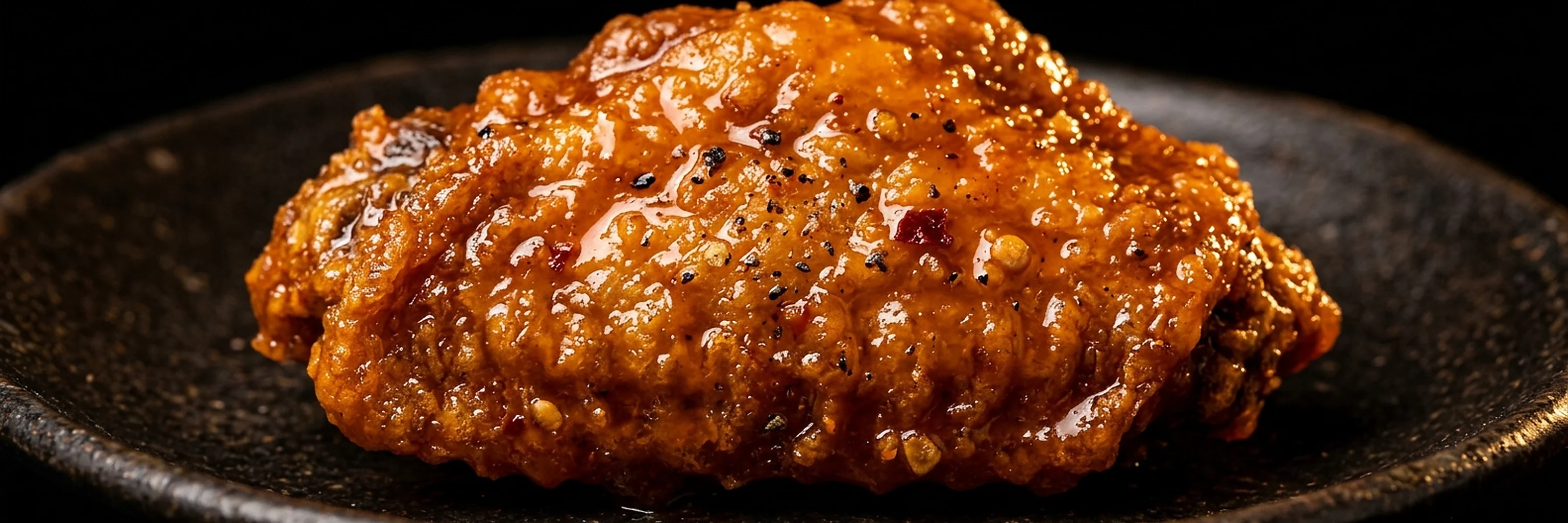
| Visual presentation | Rustic, textured | Glossy, glistening | Wet sauce |
| Versatility (without dip) | High - complete as-is | Lower - better with blue cheese/ranch | Dry rub |
| Regional tradition | Memphis, Nashville | Buffalo, national standard | Context-dependent |
The Hybrid Approach
Many wing enthusiasts use a dry rub before cooking AND finish with a light wet sauce after - the "dry rub first, sauce second" method. The dry rub develops flavor during cooking and partially sets the surface; the wet sauce adds gloss and its own flavor layer. The skin isn't as crispy as pure dry rub, but the flavor is more complex than either approach alone. The key to making this work: use less wet sauce than you'd use for a pure sauce application (the rub already provides flavor, so you want the sauce to complement, not overpower). Brush with sauce rather than toss - the lighter application preserves more of the rub's crunch. This hybrid is what many competition wing cooks use when they want a specific balance of crunch, flavor, and visual presentation.
When to Use Each Approach
Context guides the choice:
- Use dry rub when: You're smoking wings (the smoke and long cook time work better with dry-rub preparation); you're serving without dipping sauce; you want maximum crunchiness as the defining texture; you're cooking for a group with varying sauce preferences; you want to cook ahead (dry rub wings hold crispiness longer than sauced wings).
- Use wet sauce (buffalo) when: You're making traditional buffalo wings (the wet sauce toss is what makes them buffalo wings); you want the full wing-eating ritual experience; you're serving with blue cheese or ranch for dipping; you're making wings for someone who specifically wants buffalo-style; the occasion is watching football or a game-day party where buffalo wings are the expected offering.
- Use hybrid when: You're entering a wing competition; you want complexity and can accept slightly reduced crispiness compared to pure dry rub; you want to stand out from standard buffalo wings while still offering a sauced product.