Quick Answer
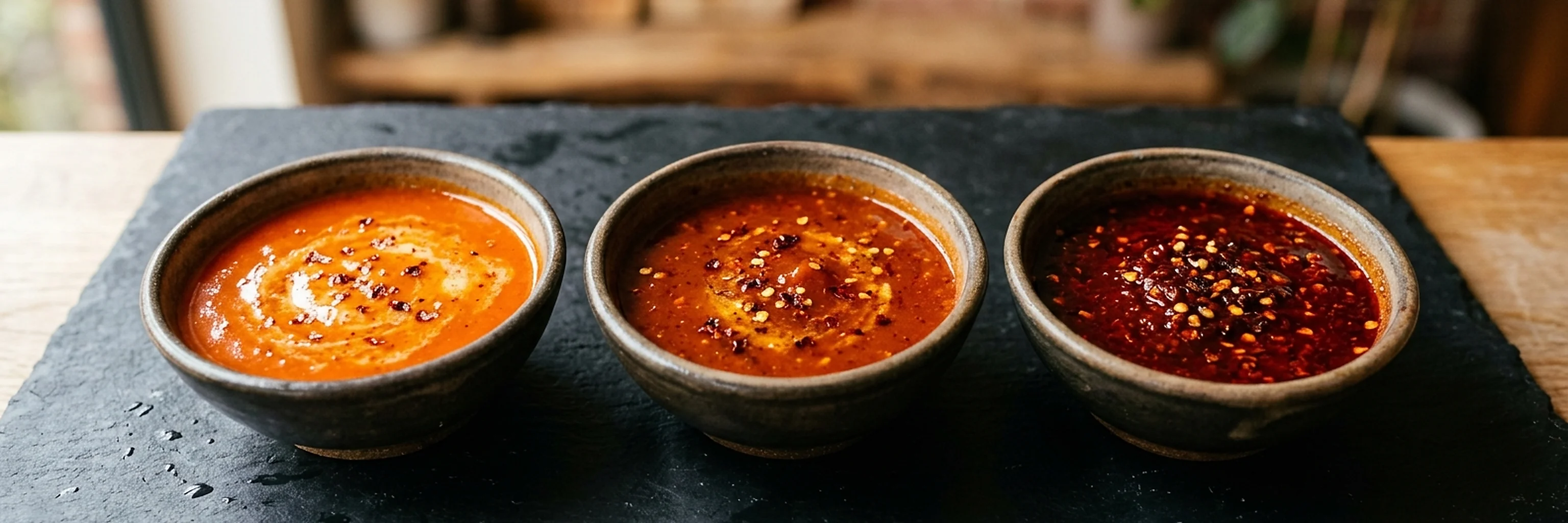
How do you make buffalo sauce thicker?The five methods for thickening buffalo sauce: (1) Add more butter - the fat increases viscosity and body without changing flavor. (2) Simmer longer - reduces water content. (3) Add a small amount of cornstarch slurry (1 teaspoon cornstarch mixed with 1 teaspoon cold water). (4) Add cream cheese - creates a richer, creamier thick sauce. (5) Add honey or brown sugar for a thicker, slightly sweet glaze consistency. The best method depends on what you're making: more butter for wings tossing sauce, cornstarch for pizza or dipping sauce, cream cheese for casseroles and dips, reduction for glazes.
Why Buffalo Sauce Is Thin
Standard buffalo sauce (hot sauce + butter) is thin by design. The hot sauce base - typically Frank's RedHot - is a watery, vinegar-forward liquid. Butter emulsified into it creates a smooth sauce but doesn't significantly increase viscosity. The result is a fluid sauce that coats wings well when they're hot but runs off when they cool.
For most wing applications, this is actually fine - you want the sauce to coat every surface of the wing, including the crispy crevices that a thick sauce would miss. But for some applications (pizza base, dipping sauce, casserole topping, flatbread), a thicker sauce performs better structurally and aesthetically.
Also relevant: emulsion breaking. If your buffalo sauce is thinner than expected, it may have broken (separated into butter pools and watery hot sauce). See the guide to buffalo sauce separation for the re-emulsification technique.
5 Methods for Thickening Buffalo Sauce
Buffalo Sauce Thickening Methods Compared
| Method | Thickness Level | Flavor Impact | Best For |
|---|---|---|---|
| More butter | Moderate | Richer, milder heat | Wings, general use |
| Longer simmer (reduction) | Moderate - high | More concentrated, saltier | Glazes, drizzles |
| Best: Cornstarch slurry | High (glossy) | Neutral - flavor unchanged | Pizza base, dipping sauce |
| Cream cheese | Very high (creamy) | Richer, creamier, milder | Dips, casseroles |
| Honey or brown sugar | High (sticky) | Sweeter, glazey | Grilling glaze, caramelization |
Method 1: Add More Butter
The simplest approach. Adding an additional tablespoon of butter per 1/2 cup of sauce increases fat content and emulsion density. The sauce becomes slightly more viscous and richer-tasting, with slightly moderated heat (more fat = more capsaicin binding). Add butter incrementally (1/2 tablespoon at a time) over low heat while whisking constantly.
Method 2: Reduction (Simmer Longer)
Simmer the sauce at a gentle simmer for 5-10 extra minutes after emulsification, stirring frequently. The water evaporates, concentrating the sauce. This increases both thickness and intensity of flavor - the sauce will taste more pungent and slightly saltier. Works well for glazes where you want the sauce to lacquer rather than just coat.
Method 3: Cornstarch Slurry
Mix 1 teaspoon of cornstarch with 1 teaspoon of cold water until smooth. Whisk into simmering buffalo sauce and cook 2 minutes. The cornstarch granules swell and trap water molecules, creating a glossy, thicker sauce without changing the flavor. This is the best method when you need a specific consistency for pizza or dipping sauce without altering the buffalo flavor.
Method 4: Cream Cheese
Whisk 1-2 oz of softened cream cheese into warm buffalo sauce until fully incorporated. The cream cheese adds significant body and creaminess. The sauce transforms from a thin, bright sauce to a richer, creamier preparation - more similar to buffalo dip than wing sauce. Excellent for casseroles, stuffed applications, or when you want a sauce that sticks heavily to dipping items.
Method 5: Honey or Brown Sugar
1 tablespoon of honey per 1/2 cup of sauce adds natural sugars that increase viscosity and create a sticky, slightly sweet sauce. The honey's natural pectin and sugar polymers bind water and create the "stickiness" associated with restaurant buffalo sauces. This method also adds sweetness - use only if a slightly sweeter sauce is desired, or pair with extra Frank's to compensate.
Which Method for Which Use
- For wings (classic use): Stick with the original thin sauce. The thin consistency is optimal for wing coating. If it's too thin, add more butter.
- For pizza base: Cornstarch slurry + ranch blend (see the buffalo sauce on pizza guide). Prevents the sauce from soaking into the dough.
- For dipping sauce: Cream cheese blend for a richer, creamier dipping experience. The thicker consistency coats whatever you're dipping more effectively.
- For casseroles and baked dishes: Cream cheese creates a sauce that bakes without running. Important for dishes like buffalo chicken casserole or stuffed peppers.
- For glazing grilled proteins: Honey or reduction method. A stickier sauce adheres to the grill-marked surface better and caramelizes attractively.
What Not to Do
Avoid adding flour to buffalo sauce to thicken it. Flour needs to cook out its raw starch taste (typically requires 2+ minutes of cooking) and produces a murky, less appealing sauce with a starchy mouthfeel. It also interferes with the emulsion. Cornstarch is a better starch thickener - it's neutral in flavor, works in smaller quantities, and produces a glossy result. Also avoid adding yogurt or sour cream to thin buffalo sauce to thicken it - the acid in the buffalo sauce will cause dairy proteins to seize and curdle, producing a broken, grainy texture. If you want a dairy-enriched thicker sauce, use cream cheese (which handles acid better than fluid dairy) or incorporate as part of a fully cooled sauce into a cream cheese dip format.